
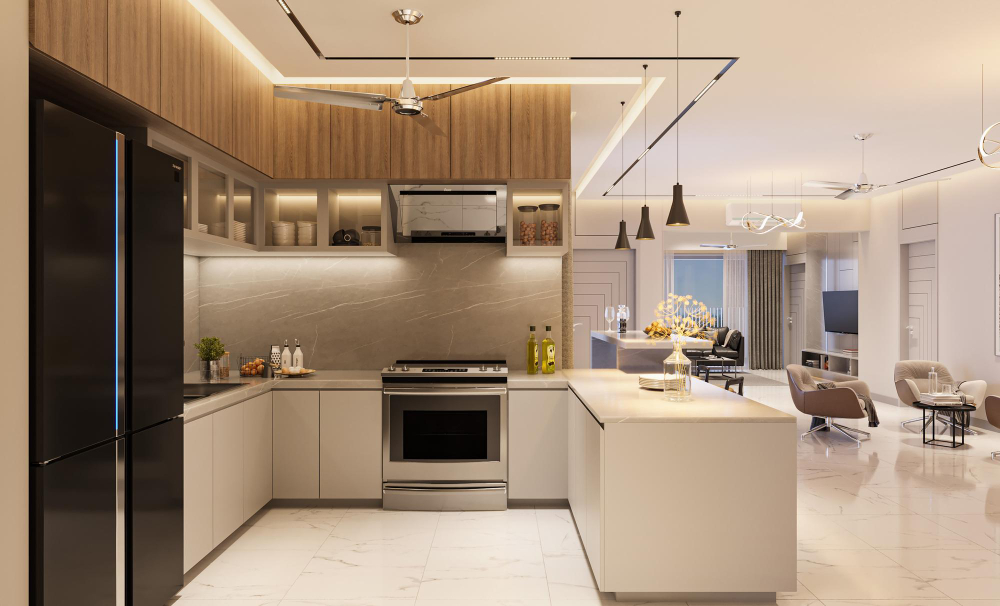
More Than a Kitchen: Designing the Heart of the Home
Some rooms simply serve a purpose. Others define how a home feels. The kitchen belongs firmly in the second category. It is where busy mornings begin, family recipes are passed down, celebrations take shape, and everyday conversations happen naturally. Today’s kitchenry is no longer limited to cabinetry and appliances—it represents the thoughtful design of a multifunctional living space that balances beauty, performance, and comfort.
EDITOR’S NOTE
Modern homeowners consistently prioritize kitchens because they influence daily routines more than almost any other room. A well-planned kitchen improves efficiency while increasing a home’s long-term appeal.
“The finest kitchens are not designed around trends—they are designed around the people who use them every day.”
Great kitchen design begins long before materials are selected. It starts with understanding movement. How do family members prepare meals? Where do groceries enter the home? Which spaces naturally become gathering points? Answering these questions creates a layout that supports real life instead of forcing homeowners to adapt to the room.
Function Creates Beauty
Luxury kitchens are often admired for their finishes, but their greatest achievement is invisible. They make ordinary tasks feel effortless.
The classic work triangle—connecting the sink, cooktop, and refrigerator—remains an important design principle, yet modern households frequently require additional work zones. Coffee stations, baking centers, homework counters, beverage areas, and charging stations allow several people to comfortably share the space.
Storage should also be designed with intention rather than quantity alone. Deep drawers frequently outperform lower cabinets because contents remain visible and accessible. Full-height pantry systems reduce clutter while maximizing vertical storage, and integrated organizers help every utensil and ingredient have a dedicated place.
Lighting deserves equal attention. Instead of relying on a single ceiling fixture, layered lighting creates flexibility throughout the day.
- Ambient lighting establishes overall brightness.
- Task lighting improves visibility for food preparation.
- Accent lighting highlights architectural details.
- Decorative fixtures add personality and visual warmth.
Natural light should be preserved whenever possible. Larger windows, glass doors, and reflective surfaces help kitchens feel brighter, healthier, and more inviting throughout the year.
Choosing durable materials often provides greater long-term satisfaction than selecting the newest design trend. Timeless finishes age gracefully while reducing future remodeling costs.
Designing for Everyday Living and Future Value
Kitchen renovations represent one of the most meaningful investments homeowners can make because they influence both daily enjoyment and property value. However, success depends on balancing appearance with practicality.
Countertops should withstand daily use while remaining easy to maintain. Flooring should resist moisture, scratches, and heavy foot traffic. Cabinet finishes should tolerate years of opening, closing, and cleaning without excessive maintenance.
Appliances also deserve thoughtful consideration. Energy-efficient models reduce utility costs while offering improved cooking performance and quieter operation. Integrated ventilation systems contribute to healthier indoor air quality by removing excess moisture, smoke, and cooking odors.
Sustainability has become another defining feature of modern kitchenry. Homeowners increasingly select responsibly sourced wood products, recycled materials, water-saving fixtures, LED lighting, and environmentally conscious finishes that combine performance with reduced environmental impact.
Technology continues to reshape kitchen design as well. Smart appliances, touchless faucets, programmable lighting, and connected cooking systems simplify everyday routines without overwhelming the space. The best technology quietly supports homeowners instead of becoming the room’s primary focus.
“Exceptional kitchens feel effortless because every design decision quietly works in the background.”
Perhaps the most overlooked element of successful kitchen design is flexibility. Families evolve. Children grow older, entertaining styles change, and work-from-home schedules create new demands. Adaptable layouts, generous storage, and durable materials allow kitchens to continue serving homeowners for decades.
Ultimately, remarkable kitchenry is never measured solely by luxurious finishes or impressive appliances. It is measured by how comfortably people gather, how efficiently daily routines unfold, and how naturally the space welcomes both ordinary mornings and unforgettable celebrations.
When thoughtful planning guides every decision, the kitchen becomes much more than a place to cook. It becomes the true center of family life—beautiful, practical, and ready to support every chapter that follows.