
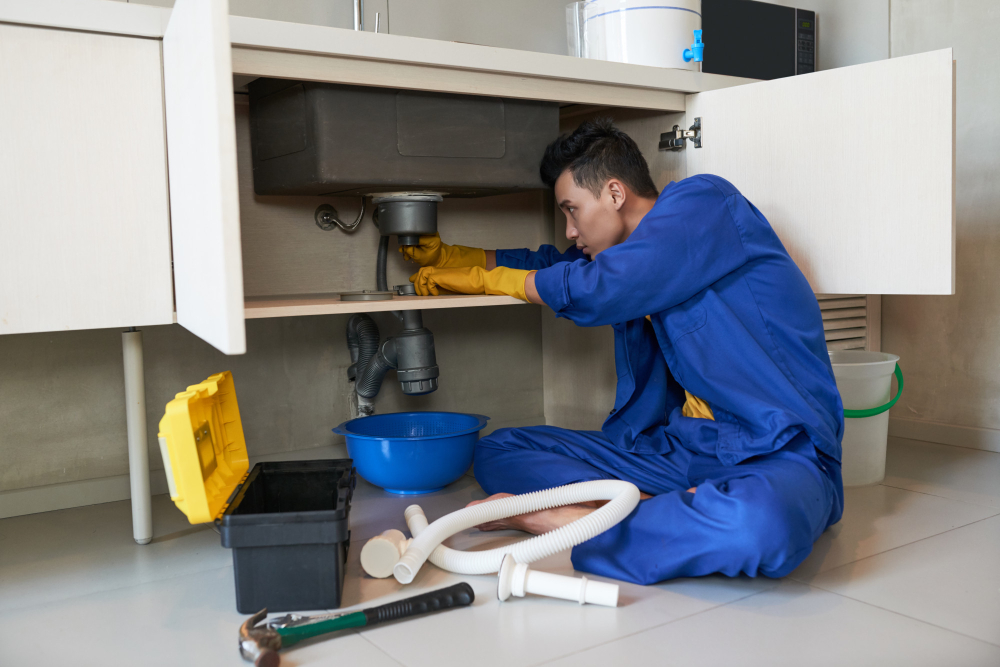
A reliable plumbing system is the backbone of every functional kitchen. Whether you’re planning a complete renovation or replacing outdated fixtures, understanding kitchen plumbing helps you make informed decisions that improve efficiency, prevent costly repairs, and support the long-term performance of your home. Below are answers to the questions homeowners ask most often before beginning a kitchen remodeling project.
What does kitchen plumbing include?
Kitchen plumbing involves much more than connecting a sink to water lines. A complete system includes hot and cold water supply pipes, drain lines, shut-off valves, garbage disposal connections, dishwasher supply and drainage, refrigerator water lines, and proper venting for wastewater.
When remodeling, it’s also common to upgrade aging pipes, relocate plumbing for a new layout, or install water filtration systems and pot fillers to improve everyday convenience.
Quick Summary:
- Water supply lines
- Drain and vent systems
- Sink and faucet installation
- Dishwasher connections
- Garbage disposal plumbing
- Refrigerator water supply
When should plumbing be replaced instead of repaired?
If your home has recurring leaks, low water pressure, corrosion, or outdated piping materials, replacement is often the better long-term investment. While small repairs may solve immediate issues, older plumbing systems can continue developing problems that become more expensive over time.
During a kitchen remodel, replacing aging supply lines while walls and cabinets are already open is usually more efficient than waiting until future failures occur.
Can I move my sink to a different location?
Yes, but relocating a sink involves more than extending water lines. Drainage pipes must maintain the correct slope, venting requirements must be met, and structural components such as floor joists may influence the final design.
The farther a sink moves from existing plumbing, the more complex and costly the project typically becomes. Careful planning during the design stage helps determine whether a new layout is practical.
Quick Summary:
- Short relocations are usually simpler.
- Drain slope is critical.
- Venting must meet building code.
- Professional planning avoids expensive revisions.
What plumbing upgrades add the most value?
Several improvements can increase both convenience and long-term home value.
- High-efficiency faucets that reduce water usage.
- Deep single-basin sinks for easier cleaning.
- Touchless faucet technology.
- Dedicated water filtration systems.
- Quiet garbage disposals.
- Modern shut-off valves for easier maintenance.
These upgrades not only improve daily use but also contribute to a more modern and functional kitchen.
How important is proper pipe installation?
Correct installation is essential. Poorly aligned pipes, improper fittings, inadequate support, or incorrect drainage slopes can lead to leaks, slow drains, unpleasant odors, and water damage behind walls or beneath cabinets.
Working with professionals experienced in kitchen pipe installation helps ensure the plumbing system performs reliably for years while complying with local building requirements.
What mistakes should homeowners avoid?
Many plumbing issues originate during remodeling rather than years later. Common mistakes include selecting fixtures before confirming plumbing locations, ignoring shut-off valve accessibility, underestimating future appliance needs, and choosing low-quality fittings that wear out prematurely.
It’s also important to think ahead. Even if you don’t currently plan to install a water filtration system, ice maker, or additional sink, rough-in plumbing during remodeling can make future upgrades much easier.
Quick Summary:
- Plan plumbing before cabinetry.
- Choose durable materials.
- Provide access to shut-off valves.
- Think about future appliance upgrades.
How can homeowners reduce future plumbing problems?
Preventive maintenance is just as important as quality installation. Regularly inspect supply lines, check for slow leaks under sinks, clean drains appropriately, and avoid disposing of grease or food waste that could clog pipes.
Installing leak detection devices and maintaining water pressure within recommended limits also helps protect both plumbing and cabinetry from unnecessary damage.
Well-designed kitchen plumbing provides the hidden infrastructure that allows every kitchen feature to function smoothly. From reliable water supply and efficient drainage to modern fixtures and future-ready upgrades, careful planning during remodeling can prevent costly repairs while improving everyday convenience.
Whether you’re updating a single sink or completely redesigning your kitchen, investing in quality materials and professional installation creates a plumbing system built to support your home for decades. A properly planned kitchen plumbing project isn’t just about pipes—it’s about creating a kitchen that works beautifully every day.