
A Backyard That Changed Everything
When the Martinez family purchased their home, they imagined summer barbecues, quiet mornings with coffee on the patio, and evenings spent watching the sunset with friends. Instead, they inherited a neglected backyard—uneven grass, an aging fence, poor drainage, and a small concrete slab that felt disconnected from the rest of the property.
Inside, the house was warm and welcoming. Outside, however, it felt unfinished. Like many homeowners, they focused on interior upgrades for years before realizing how much untapped potential existed beyond their back door.
That realization marked the beginning of a thoughtful approach to outdoor living—not simply landscaping, but creating functional spaces designed to improve everyday life.
“The most memorable rooms in a home don’t always have four walls. Sometimes they begin where the house ends.”
Rather than rushing into construction, the family spent several weeks observing how they naturally used their property. Which areas received morning sunlight? Where did rainwater collect? Which views deserved to be highlighted? These simple observations became the foundation for every decision that followed.
Every Improvement Had a Purpose
The first project wasn’t the largest—it was solving drainage problems. Heavy rains had created standing water near the patio, making the yard difficult to enjoy for days afterward. Correcting grading and improving drainage protected future landscaping while creating a healthier foundation for additional improvements.
Next came circulation. Walking across the backyard meant navigating patches of grass, garden beds, and uneven surfaces. Carefully designed pathways connected the patio, lawn, and garden, making the entire yard feel intentional rather than fragmented.
Outdoor lighting transformed the space even more dramatically than expected. Soft pathway lights improved safety, while subtle accent lighting highlighted trees and architectural features after sunset. Suddenly, the backyard became usable well beyond daylight hours.
As the project evolved, the family realized that successful outdoor design wasn’t about adding as many features as possible. Instead, each improvement supported a specific lifestyle goal:
- A comfortable dining area encouraged family meals outside.
- Shade structures extended usability during hot afternoons.
- Native plants reduced irrigation needs.
- Durable paving minimized long-term maintenance.
- Thoughtful seating areas created quiet spaces for relaxation.
Every addition served both beauty and function, allowing the landscape to feel naturally connected to the home rather than existing as a separate space.
Discovering That Outdoor Spaces Extend Everyday Living
As months passed, something unexpected happened. The family didn’t simply spend more time outside—they lived differently.
Weekend breakfasts moved onto the patio. Children played in areas that had previously been ignored. Friends gathered outdoors long after dinner, and even routine gardening became an enjoyable daily ritual rather than another household chore.
The improvements also changed how the home functioned throughout the seasons. Strategic tree placement provided shade during summer while allowing additional sunlight into the house during cooler months. Permeable surfaces improved drainage, reducing puddles and protecting nearby landscaping. Low-maintenance plant selections meant less time spent on upkeep and more time enjoying the space itself.
Perhaps most importantly, every enhancement was designed with longevity in mind. Instead of following temporary trends, the family selected durable materials, timeless architectural lines, and flexible spaces that could evolve with changing needs over the years.
“Beautiful landscapes are not created by filling every corner—they are created by giving every space a meaningful purpose.”
Neighbors soon began asking for advice. Many assumed the transformation required an enormous budget or a complete redesign. In reality, the success came from thoughtful planning, careful sequencing, and a clear understanding of how the family wanted to use their property.
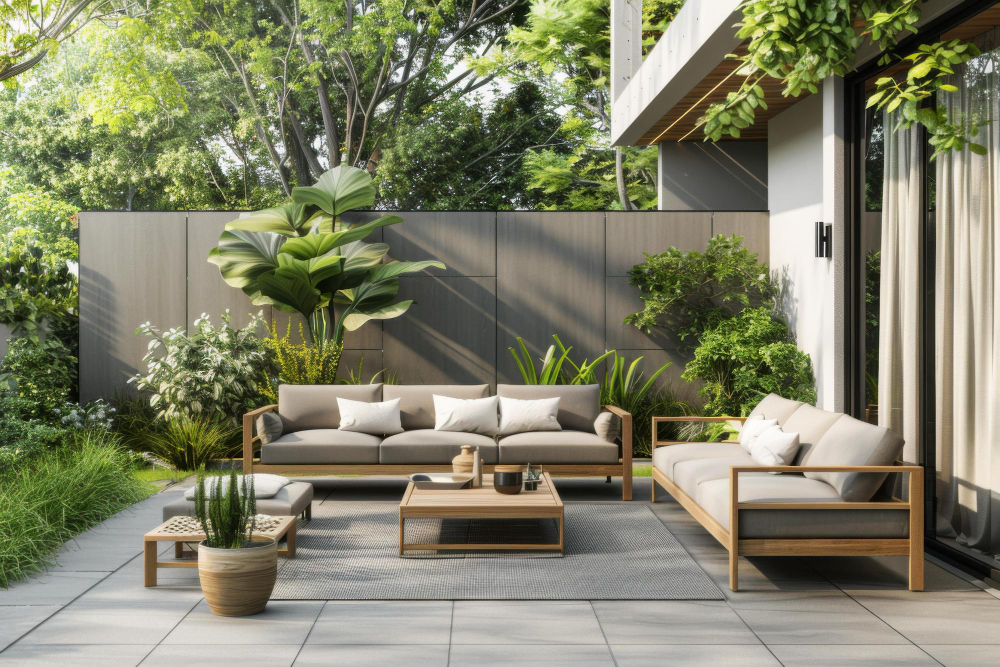
Today, stepping into their backyard feels less like leaving the house and more like entering another room. The transition between indoors and outdoors is seamless, inviting, and natural.
The story serves as a reminder that exterior improvements are about much more than curb appeal. Well-designed outdoor spaces increase comfort, encourage healthier lifestyles, provide places to connect with family and friends, and often become some of the most cherished areas of a home.
Whether your vision includes a peaceful garden retreat, an entertainment patio, a functional outdoor kitchen, or simply a better place to enjoy fresh air, meaningful improvements begin with understanding how you want your home to support your life. The best outdoor projects are never defined by their size—they are defined by the experiences they make possible.