
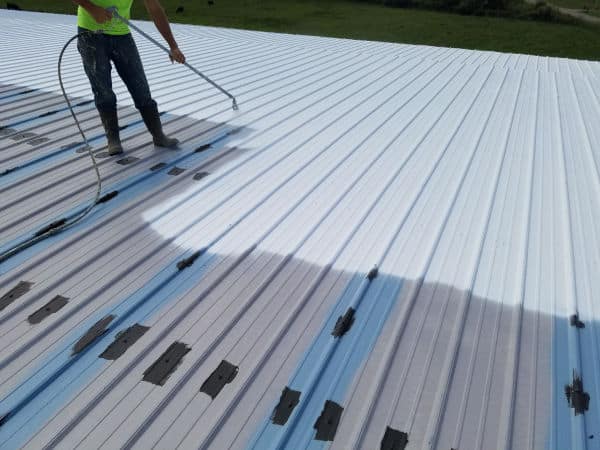
Water rarely chooses the most convenient route into a commercial building. It can enter around a penetration, flashing transition, drain, equipment curb, damaged seam, or previously repaired area and then travel before appearing inside. That is why Roof Waterproofing Systems should be evaluated as complete water-management strategies rather than simply as coatings applied across the broad roof surface.
Fluid-applied systems can create a continuous protective layer over a properly prepared roof, but the word seamless can be misleading if it suggests that details no longer matter. Every drain, curb, pipe, wall transition, and perimeter condition interrupts the simplicity of the roof field. Those locations need to be incorporated deliberately into the waterproofing design.
This FAQ focuses on the questions commercial property owners and facility managers should ask when the primary objective is straightforward: keep water outside the building and understand how the roofing system is supposed to accomplish that.
A waterproof roof is not created by concentrating only on the largest surface area. Continuity at penetrations, flashing, drainage points, curbs, and transitions is just as important as the roof field itself.
What Is a Commercial Roof Waterproofing System?
A commercial roof waterproofing system is the combination of materials and details designed to prevent water from entering the building through the roofing assembly. Depending on the existing roof and project scope, that may involve a primary membrane, flashing components, repairs, reinforcement, primers, fluid-applied coatings, and specialized treatments around penetrations and transitions.
When a coating is used for restoration, it becomes part of that larger strategy. The existing roof must first be evaluated and prepared appropriately. Known defects are addressed, critical details receive the specified treatment, and the compatible coating is then applied according to the system requirements.
That distinction is important because waterproofing is a performance objective, while coating is a material or system component used to help achieve it.
Quick answer: Don’t evaluate commercial waterproofing by asking only which coating will cover the roof. Ask how the complete system maintains continuity wherever water could potentially enter.
What Does “Seamless” Actually Mean?
Fluid-applied coatings are commonly described as seamless because the material cures into a continuous surface rather than relying on factory-made membrane sheets joined throughout the roof field. That can be a valuable characteristic, especially on roofs containing complicated geometry and numerous details.
But a Seamless Roof Coating System does not mean the physical roof suddenly becomes free of interruptions. HVAC units remain. Pipes still penetrate the assembly. Drains still collect water. Walls, parapets, curbs, and perimeter edges still require transitions.
Those details are precisely where the idea of continuity becomes most important. The fluid-applied material and any specified reinforcement or flashing treatment need to integrate the roof field with these interruptions according to the selected system.
Seamless describes the continuity of the applied coating surface. It does not mean a commercial roof has no penetrations, drains, edges, curbs, joints, or transitions requiring careful detailing.
Where Does a Commercial Roof Need the Most Waterproofing Attention?
The broad roof field matters, but many of the most important waterproofing locations are where the geometry or materials change. These areas deserve careful inspection during both restoration planning and ongoing maintenance.
Common critical locations include:
- Roof penetrations for pipes, vents, conduits, and other services
- HVAC and equipment curbs where waterproofing transitions around raised structures
- Drains and scuppers where water is intentionally concentrated and discharged
- Wall and parapet transitions where horizontal roofing meets vertical construction
- Perimeter flashing along roof edges and transitions
- Existing seams or joints within the underlying roofing system
- Previous repair locations that may contain different materials or detailing
These locations do not automatically fail simply because they are complex. The point is that they require deliberate design and execution. Applying a uniform coating across the roof field while giving insufficient attention to transitions can leave the most complicated portions of the waterproofing system inadequately addressed.
Future inspections should return to these areas as well. A roof changes over time, and equipment servicing, weather exposure, building movement, or new rooftop work can alter details that were previously performing as intended.
Can a Waterproof Coating Stop an Existing Roof Leak?
It can form part of the solution, but an existing leak should be diagnosed before coating becomes the answer. An interior stain tells you where water became visible inside the building—not necessarily where it entered the roof.
Water may move along structural components, insulation, deck interfaces, or other pathways before reaching the occupied space. Simply coating the area directly above an interior stain can therefore miss the actual source.
A more reliable process begins with inspection. Flashing, penetrations, seams, drains, curbs, previous repairs, and nearby roof conditions should be evaluated. If defects are identified, appropriate corrective work should become part of the restoration scope before the finished coating is applied.
Do not waterproof over a mystery. Diagnose recurring leaks and address identified defects before relying on a new coating surface.
Can Roof Waterproofing Solve Ponding Water?
Waterproofing and drainage are related, but they are not interchangeable. Waterproofing is intended to resist water intrusion. Drainage controls how water moves across the roof and how efficiently it reaches drains, scuppers, or other designated outlets.
If water regularly remains in a roof area longer than intended, the cause should be evaluated. Blocked drainage, roof geometry, substrate conditions, structural movement, or other factors may contribute. Applying a waterproof coating over that area does not automatically correct the reason water is accumulating.
Coating chemistry matters too. Different products and manufacturers have specific requirements concerning water exposure, drainage, substrate conditions, and application. Those requirements should be checked for the exact system being specified rather than assuming that every fluid-applied product behaves identically.
Waterproofing manages water that reaches the roof. Drainage determines how that water leaves it. A durable waterproofing strategy should consider both.
What Happens Around HVAC Units and Roof Penetrations?
HVAC equipment, plumbing vents, electrical conduits, exhaust systems, and other penetrations create some of the most detail-intensive areas on a commercial roof. The roof field may be relatively straightforward, but every object passing through or sitting above the waterproofing layer requires a carefully designed transition.
Equipment curbs are especially important because they combine horizontal and vertical surfaces. The waterproofing system has to transition around the curb while remaining compatible with the surrounding roofing materials and specified flashing details. Pipes, vents, and conduits create similar challenges on a smaller scale.
The situation can become more complicated after the original roofing work is complete. A new HVAC unit may be installed years later, a conduit may be added, or an existing penetration may be modified. If that work disturbs the waterproofing system, the affected area should be evaluated and properly integrated rather than treated as an unrelated mechanical project.
Every new rooftop penetration changes the waterproofing system. Coordinate mechanical and roofing work so new equipment does not create an unplanned pathway for water.
Does the Existing Roof Need Special Preparation?
Yes. A fluid-applied waterproofing system depends on the condition and preparation of the surface beneath it. Applying coating over dirt, contaminants, loose material, incompatible surfaces, or unresolved defects can undermine the restoration strategy before the coating has an opportunity to perform as intended.
The exact preparation process depends on the existing roof and selected product, but it can include cleaning, localized repairs, treatment of seams and flashing, detailing around penetrations, and correction of other identified deficiencies. Primer or reinforcement may also be required for particular substrates, transitions, or system designs.
Compatibility should be verified rather than assumed. Commercial roofs often contain a mixture of original materials and later repairs, so different areas may need different preparation before the new system is installed.
Quick answer: The quality of the finished waterproofing surface begins with the condition of the roof underneath it.
Are Silicone and Acrylic Systems Equally Waterproof?
It is more useful to compare specific systems than to declare one entire coating chemistry “more waterproof” than another. Silicone and acrylic coatings have different material characteristics, application requirements, approved substrates, and limitations, while individual formulations within each category can also differ.
Silicone systems are commonly considered for their resistance to UV and water exposure. Acrylic coatings are widely used in reflective roof applications and can provide an effective protective surface when installed under suitable conditions and according to the manufacturer’s requirements.
The correct selection depends on factors such as:
- Existing roof material and substrate compatibility
- Drainage and expected water exposure
- Climate and application conditions
- Required system thickness and coverage
- Rooftop traffic and mechanical activity
- Manufacturer-specific preparation and detailing requirements
Polyurethane and other fluid-applied products may also be appropriate for particular projects. The important point is to match the system to the building rather than choosing a chemistry first and attempting to make the roof fit it afterward.
There is no universal waterproofing winner. Compare specific products against the actual substrate, drainage, exposure, detailing, and operational requirements of the roof.
How Can an Owner Check Waterproofing Installation Quality?
Do not rely only on the finished appearance. A bright, uniform roof can look impressive from a distance while providing little information about preparation, detailing, or whether the specified amount of material was installed.
Instead, ask for project documentation. Depending on the specified system, useful records can include product information, preparation procedures, repair locations, material quantities, primer and reinforcement details, application conditions, coverage rates, film-thickness measurements where applicable, photographs, and final inspection documentation.
Pay particular attention to the complicated areas discussed earlier. Were drains properly integrated? How were equipment curbs detailed? What happened at walls and perimeter transitions? Were existing defects corrected before the final coating was applied?
Documentation becomes useful long after installation as well. Future inspections can compare current conditions against a known starting point, making it easier to identify changes around flashing, penetrations, drains, repairs, and high-traffic locations.
Evaluate what you cannot see in the finished roof: preparation, repairs, detailing, specified coverage, application records, and quality-control documentation.
When Is a Roof Coating Not Enough?
A fluid-applied waterproofing system can preserve a suitable existing roof, but it should not be expected to compensate for an assembly that is no longer an appropriate restoration candidate.
Widespread deterioration can change the decision. So can extensive moisture-related conditions, an unsuitable substrate, major structural or deck concerns, or roofing components that require broader replacement than a coating project can reasonably address.
Replacement may also make more sense when the owner needs significant changes to insulation, drainage design, or other major parts of the roofing assembly. In those circumstances, preserving the existing surface may conflict with the larger objectives of the project.
This is why the decision should begin with assessment rather than product selection. Sometimes the correct waterproofing strategy is restoration. Sometimes it is localized repair. Sometimes the building needs a new roofing assembly.
The objective is not to apply a seamless coating at all costs. The objective is to create a roofing system capable of managing water appropriately for the conditions of the building.
What Is the Most Important Waterproofing Question to Ask?
Ask this: Where can water enter this roof, and how does the proposed system maintain waterproofing continuity at each of those locations?
That question shifts attention away from the coating alone and toward the complete roof. It brings drains, penetrations, equipment curbs, flashing, walls, perimeter conditions, previous repairs, drainage, and the underlying substrate into the same conversation.
A fluid-applied coating can create an impressively continuous surface, but continuity must extend through the details that make a commercial roof complicated. Those details deserve careful assessment before installation and continued observation afterward.
For property owners and facility managers, that is the practical meaning of commercial roof waterproofing: not simply covering more square footage, but eliminating weak links in the path between water outside and the building below.