
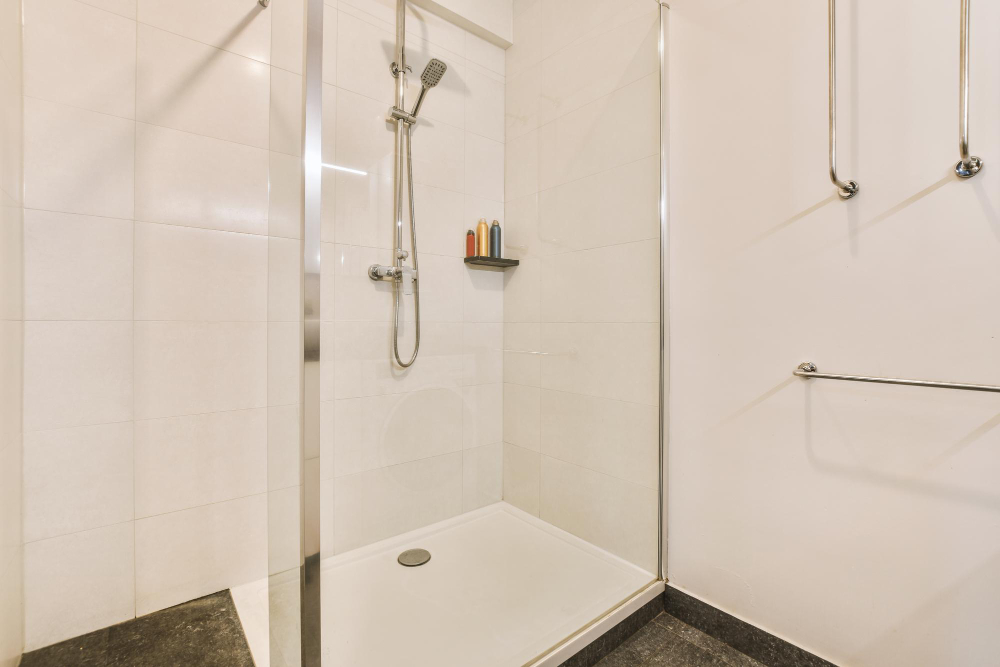
Luxury bathrooms are rarely defined by a single dramatic feature. Instead, they reveal their character through dozens of carefully considered details working together in perfect harmony. The texture of natural stone beneath your feet, the quiet precision of frameless glass, the warmth of layered lighting, and the effortless flow from one surface to the next all contribute to an experience that feels refined rather than merely expensive.
Among these details, one element often receives far less attention than it deserves: the shower threshold.
At first glance, it may appear to be little more than a narrow strip separating the shower from the rest of the bathroom. In reality, it performs several critical roles at once. It helps contain water, supports waterproofing systems, improves safety, influences accessibility, and quietly shapes the visual rhythm of the entire space.
Perhaps that explains why today’s most sophisticated bathrooms treat the threshold not as an afterthought, but as an integral part of the overall design. Whether crafted from marble, quartz, porcelain, or engineered stone, a thoughtfully selected threshold creates a seamless transition that feels intentional from every angle.
“The finest bathrooms aren’t remembered for their size—they’re remembered for the thoughtful details that make every day feel effortless.”
As modern bathrooms continue evolving into spaces dedicated to wellness and relaxation, even the smallest architectural components are expected to contribute both beauty and functionality. The shower threshold exemplifies this philosophy perfectly. It is subtle enough to disappear into the design, yet important enough to influence how the room performs every single day.
EDITOR’S NOTE:
Modern bathroom design increasingly favors low-profile shower thresholds that create cleaner visual transitions while supporting accessibility, efficient drainage, and a more open architectural composition.
Why the Shower Threshold Deserves More Attention
Bathrooms are among the hardest-working rooms in any home. Moisture, daily foot traffic, temperature changes, and constant cleaning demand materials and construction techniques that remain dependable over many years. Within this environment, the shower threshold quietly performs one of the room’s most important jobs: helping separate wet and dry spaces without interrupting the overall design.
Its contribution begins with waterproofing. A properly designed threshold works together with the shower pan, waterproof membrane, and drainage system to direct water exactly where it belongs. While homeowners often admire tile patterns and premium fixtures, it is these carefully engineered transitions that protect subfloors and surrounding finishes from moisture intrusion.
A carefully designed shower threshold doesn’t simply separate wet and dry spaces—it connects the entire bathroom through clean lines, balanced proportions, and uninterrupted visual flow.
Beyond moisture management, thresholds shape how a bathroom feels. A bulky curb can visually divide the room, while a slim, well-proportioned threshold allows flooring, tile, and natural light to flow more gracefully across the space. This subtle continuity often makes even compact bathrooms appear larger and more refined.
Safety is equally important. Properly designed thresholds reduce the likelihood of water escaping onto the main bathroom floor, lowering the risk of slips while maintaining a clean, organized appearance. Carefully selected materials also provide dependable durability against years of daily use.
Accessibility has become another defining influence in contemporary bathroom design. As more homeowners embrace aging-in-place principles and universal design concepts, thresholds have gradually become lower, cleaner, and less intrusive. Instead of creating barriers, they now support easier movement without sacrificing visual elegance.
Perhaps the greatest achievement of a beautifully executed shower threshold is that most people never consciously notice it. They simply experience a bathroom that feels effortless, cohesive, and remarkably comfortable—a space where every transition has been carefully considered, even if the craftsmanship itself remains quietly in the background.
Choosing the Right Threshold Material
When homeowners begin selecting a shower threshold, aesthetics usually lead the conversation. Yet the most successful bathrooms prove that appearance alone is never enough. A threshold must withstand daily moisture, support safe movement, complement surrounding finishes, and continue looking beautiful through years of everyday use.
Quartz has become one of the most sought-after materials because of its nonporous surface, consistent appearance, and exceptional durability. It pairs effortlessly with modern vanities and engineered stone countertops, creating a clean, uninterrupted design language throughout the room.
Marble introduces timeless elegance. Every slab carries unique veining that transforms the threshold into a subtle architectural feature rather than a purely functional component. While natural stone requires thoughtful care, many homeowners appreciate the richness and individuality it brings to luxury bathrooms.
Granite offers impressive strength with distinctive natural movement, while porcelain thresholds provide outstanding resistance to moisture and wear with minimal maintenance. Engineered stone and solid-surface materials continue gaining popularity because they combine refined aesthetics with dependable long-term performance.
“Luxury begins where craftsmanship meets everyday practicality.”
The most successful bathrooms rarely rely on one exceptional material alone. Instead, they repeat carefully selected finishes throughout the space, allowing countertops, niches, window sills, benches, and thresholds to feel connected rather than independent.
EDITOR’S NOTE:
Coordinating the shower threshold with vanity countertops, shower niches, or window sills creates visual continuity that gives the entire bathroom a more refined, custom-designed appearance.
Modern Design Trends Shaping Today’s Showers
Contemporary bathrooms continue moving toward simplicity, openness, and effortless functionality. As a result, the shower threshold has evolved alongside broader architectural trends that emphasize seamless transitions rather than visual separation.
Barrier-free showers remain one of the clearest examples of this evolution. By minimizing changes in floor height, these designs create spacious environments that feel calm, accessible, and remarkably sophisticated. Their appeal extends well beyond accessibility, offering clean architectural lines that complement both minimalist and transitional interiors.
Low-profile thresholds support this philosophy beautifully. Instead of acting as prominent dividers, they quietly guide water while preserving uninterrupted sightlines across the room. Combined with large-format tile, frameless glass enclosures, and carefully aligned grout joints, they help create bathrooms that feel larger than their actual dimensions.
Barrier-free showers continue growing in popularity because they combine contemporary aesthetics, improved accessibility, simplified maintenance, and long-term usability within one elegant design solution.
Material consistency has become another defining characteristic of premium bathrooms. Designers increasingly extend the same stone or engineered surface across thresholds, benches, niches, and countertops, creating an atmosphere of quiet luxury where every element feels intentionally connected.
Lighting further enhances these details. Natural daylight reveals subtle variations in texture, while carefully positioned accent lighting emphasizes clean transitions without overwhelming the room. The result is an environment that feels balanced, peaceful, and remarkably effortless.
More Than a Threshold, It’s Part of the Experience
The finest bathrooms succeed because every element contributes to a single, unified experience. The shower threshold may occupy only a small portion of the room, yet it influences comfort, safety, durability, and visual harmony every day.
When thoughtfully designed, it protects the bathroom from moisture while allowing materials, light, and architectural lines to flow naturally throughout the space. Its greatest achievement is often its subtlety—performing an essential function without demanding attention.
For homeowners planning a renovation, this serves as a valuable reminder that exceptional design is rarely created by dramatic features alone. Instead, it emerges from dozens of carefully considered decisions working together with precision and purpose.
Ultimately, a shower threshold becomes far more than a practical transition between wet and dry spaces. It becomes part of the daily experience of the bathroom itself—an understated detail that quietly elevates every shower, every morning routine, and every moment spent within a thoughtfully crafted home.