
The Early Years: Natural Floors Built to Last
Modern Flooring has evolved dramatically over the past century. What began as solid hardwood planks installed by skilled craftsmen has grown into a wide range of engineered products designed for specific lifestyles, budgets, and performance requirements. Understanding that evolution helps homeowners choose flooring based on long-term value instead of trends.
Solid hardwood dominated homes because it could be refinished multiple times and offered exceptional longevity. However, it required regular maintenance and responded to humidity changes.
The Turning Point: New Materials Change Remodeling
Manufacturing innovations introduced laminate, sheet vinyl, ceramic tile improvements, and engineered wood. These products lowered costs and expanded design options while making installation faster.
Homeowners began choosing materials based not only on appearance but also on moisture resistance, maintenance, and installation speed. Kitchens, bathrooms, and laundry rooms increasingly used water-resistant products, while hardwood remained popular in living areas.
| Era | Popular Material | Main Benefit |
|---|---|---|
| 1900s | Solid Hardwood | Longevity |
| 1970s | Vinyl | Affordability |
| 1990s | Laminate | Easy maintenance |
| Today | Engineered products | Performance and versatility |
Modern Developments: Choosing Flooring by Lifestyle
Today’s flooring decisions should begin with how each room is used. Busy households with children and pets often prioritize scratch resistance, while bathrooms require moisture protection. Rather than selecting one material for the entire home, many remodels combine products that best suit each space.
- Choose durable wear layers for high-traffic areas.
- Verify subfloor condition before installation.
- Match expansion requirements to the product.
- Compare maintenance requirements, not just purchase price.
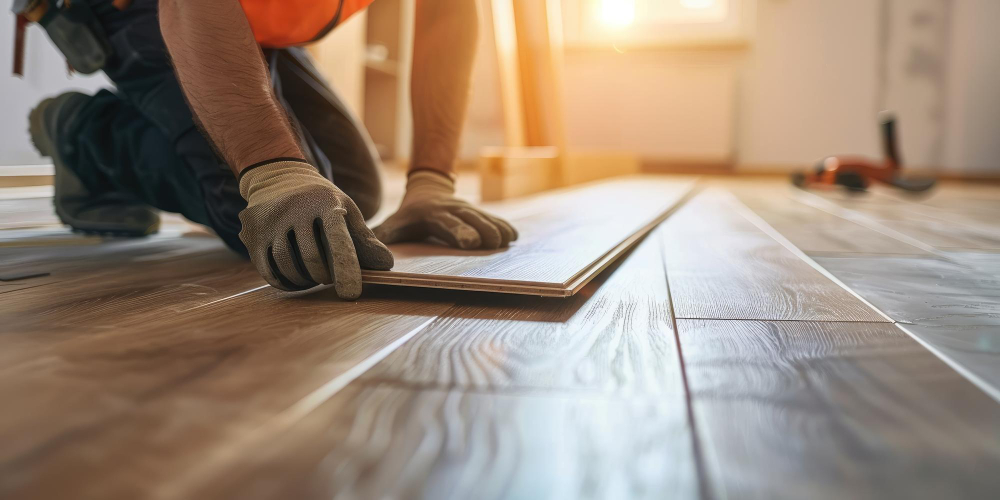
Professional Floor Installation often determines long-term performance as much as the material itself. Poor subfloor preparation, incorrect expansion gaps, or improper moisture testing can shorten the lifespan of even premium products.
Future Trends
Manufacturers continue improving recycled materials, waterproof cores, quieter underlayments, and healthier low-emission finishes. Smart homeowners increasingly compare total cost of ownership—including maintenance and expected lifespan—instead of focusing only on the initial purchase price.
| If You Need… | Consider |
|---|---|
| Maximum longevity | Hardwood or premium engineered wood |
| Moisture resistance | Luxury vinyl or porcelain tile |
| Lower maintenance | Engineered flooring products |
| Budget remodel | Quality laminate or vinyl |
Flooring is no longer simply a finish beneath your feet—it is a performance system that affects comfort, maintenance, indoor air quality, acoustics, and resale value. By understanding how flooring has evolved, homeowners can choose materials that fit both today’s needs and tomorrow’s lifestyle.
Leave a Reply